Czech Politics Before the October 2026 Elections: Babiš, President Pavel, and the Ammunition Initiative
Nine months into the second Babiš government, Czech politics has settled into a pattern that neither its supporters nor its opponents predicted in October 2025. The coalition has not collapsed. It has also not delivered the rupture with Brussels and Kyiv that its campaign promised. What has emerged instead is a government that concedes on substance while holding the rhetorical line, and a presidency that has turned a largely ceremonial office into the main institutional check on the cabinet. The municipal and Senate elections on 9 and 10 October are the first national count since the coalition took office, and they will be read as a verdict on that arrangement.
The Coalition and Its Arithmetic
ANO took roughly 35 percent in the October 2025 parliamentary vote, beating Petr Fiala’s Spolu bloc by more than ten points. Babiš was appointed on 9 December and his cabinet sworn in six days later, built with the far-right Freedom and Direct Democracy and the right-wing Motorists for Themselves. ANO holds eight of the sixteen ministries, the Motorists four, SPD three.
The junior partners are the source of most of the government’s problems and almost none of its votes. SPD polls in the low single digits to around 7 percent, the Motorists hover near the 5 percent threshold. Both are running well below their October result. ANO itself sits near 33 percent, a few points off its election score but still roughly twenty points clear of the next party. The opposition, meanwhile, has reorganised: STAN and ODS both poll in the low teens, and the Pirates have recovered ground. There is no single opposition bloc, which is the coalition’s main structural advantage.
The Castle as Opposition
The most consequential fight of the government’s first year was not with the EU. It was with Petr Pavel.
Pavel refused to appoint Filip Turek as environment minister after a Czech daily published social media posts attributed to him. Turek apologised for some and denied others. The president held. Motorists leader Petr Macinka, who took the foreign ministry and covered environment in an acting capacity until February, escalated rather than backed down, and Pavel accused him of blackmail. The opposition filed a no-confidence motion siding with the president. The government survived it, but the precedent stood: a president with almost no formal room to refuse a cabinet nomination refused one, and made it stick.
Pavel had already forced the first concession before the government existed. Babiš agreed in early December to hand Agrofert to an independently administered structure in order to be appointed at all. That did not close the file. In June, coalition deputies including Turek quietly introduced an amendment to the conflict-of-interest law that would have preserved subsidy eligibility for companies in the prime minister’s position and shortened the recovery window for past payments. The government declined to back it in that form, listing about ten required changes, and by July the proposal had been pulled back. The justice ministry’s stated concern was the effect on Czech access to EU recovery funds.
That is the pattern in miniature. The coalition tests a position, the cost lands on European money or presidential signature, and the position is quietly adjusted.
Ukraine: Rhetoric Held, Substance Eroded
The ammunition initiative is the clearest case. Babiš campaigned against it and called it opaque. In January he confirmed it would continue, with Czechia acting as coordinator and no further money from the state budget. On paper, continuity.
In practice, the donor base halved. By late May, nine states were still funding the programme, down from eighteen at its peak, with Germany, Denmark and the Netherlands among those remaining. Contracted volume for 2026 stands near one million rounds against 1.8 million delivered in 2025, a drop of more than forty percent, and the shift toward extended-range ammunition roughly doubles unit cost against standard 155mm. Financing sits at around a billion euros against a five billion target. Since 2024 the initiative has moved more than four million large-calibre rounds and has at times supplied close to half of Ukraine’s heavy ammunition.
Nothing was cancelled. Donors simply stopped seeing the point of funding a programme the convening capital’s own government disparages. Prague also joined Bratislava and Budapest in opting out of the financial costs of the EU loan to Ukraine, and Tomio Okamura marked his first day as speaker by removing the Ukrainian flag from the chamber. The signalling is aligned with Budapest. The policy is not, quite.
What October Actually Measures
Municipal elections are a poor instrument for reading national sentiment, and Czech local voting rewards incumbency, local lists and personality over party brand. ANO defends a very large base of mandates from 2022, including dozens of mayoralties, and defending is harder than gaining.
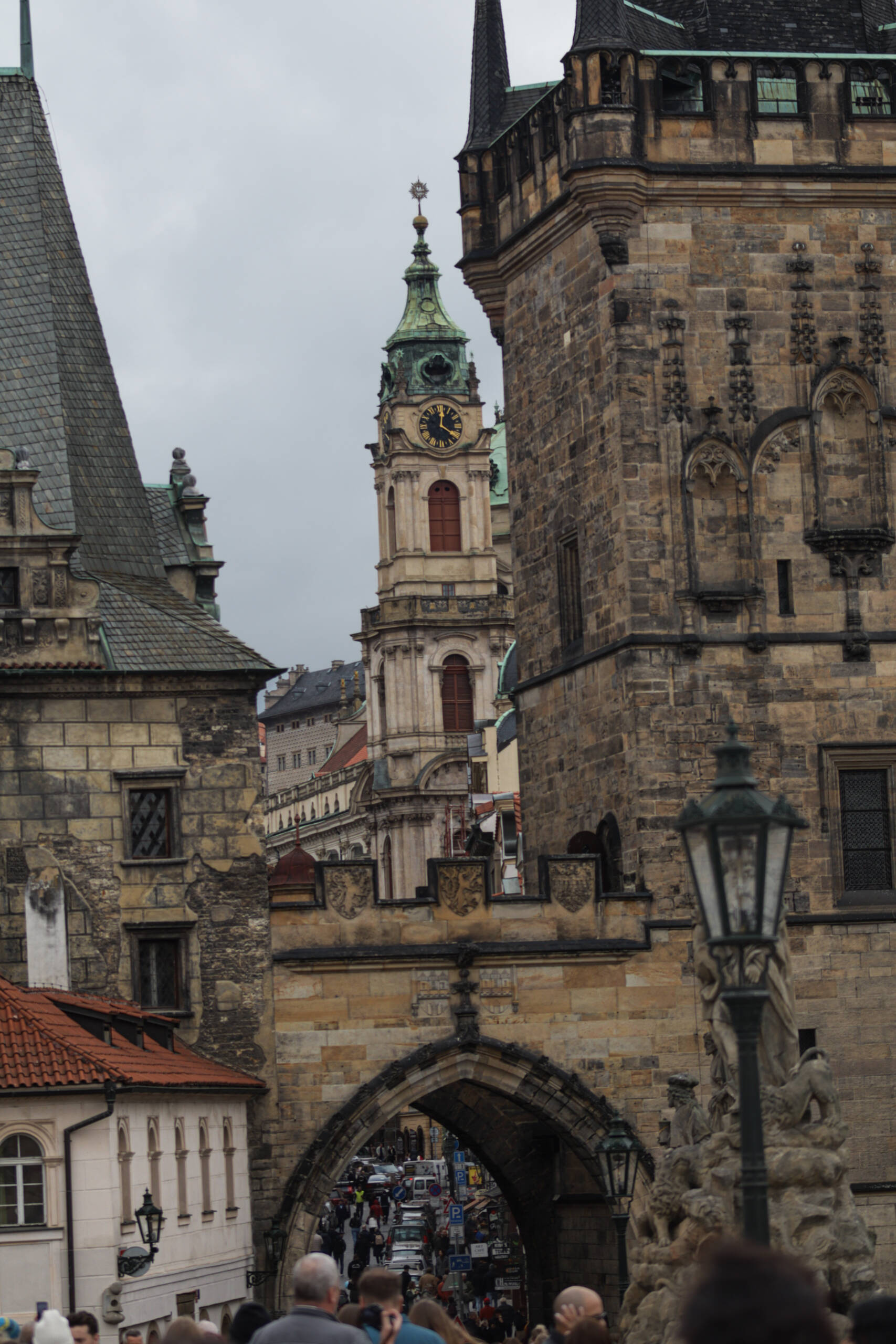
Prague is the exception that matters for narrative purposes. The capital has been the weakest ground ANO has: Spolu won the 65-seat city assembly in 2022 with the Pirates and STAN eventually joining the coalition, and the city has been governed by the parties now in national opposition. A Prague result that tracks the national polling gap would suggest ANO has broken through in the one place it never has. A Prague result that holds the 2022 shape confirms the older split, in which the capital and the large university towns vote against whoever governs from Strakova Academy.
The Senate round is the harder number. Twenty-seven of eighty-one seats are contested, and the opposition parties hold the chamber’s majority by a comfortable margin. Even a strong ANO showing does not flip it, which means the government faces an upper house capable of delaying legislation through 2028 at minimum. Combined with a president willing to spend political capital, that is a two-institution brake on a coalition whose lower-house majority is otherwise stable.
The budget will decide more than either. The state entered 2026 on a provisional regime, spending capped at a twelfth of the prior year’s monthly expenditure, and the central deficit widened last year for the first time since 2021. Inflation is low, around 1.5 percent in June. The coalition’s electoral proposition was cost of living, not sovereignty, and it will be judged on the first.